Home Sweet Home: A Creative Script That Stands Out
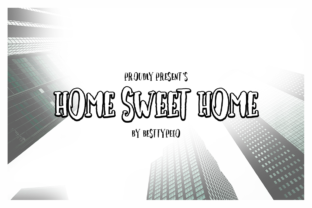
In the crowded landscape of design projects, finding that unique element that gives your work a memorable personality can be a real challenge. This is where the Home Sweet Home script enters the picture. It’s not just another font; it’s a fresh, sweet, and characterful script designed to infuse warmth and distinction into any visual creation. Its name perfectly encapsulates its essence—a welcoming, comfortable, and charming aesthetic that feels familiar yet special.
The Real-World Charm of a Standout Script
Think of Home Sweet Home as your secret ingredient. Its primary strength lies in its ability to transform ordinary design into something that feels personal and crafted. Where might you actually use it? The applications are wonderfully diverse.
For Wedding and Event Designers
If you design for celebrations, Home Sweet Home is a natural fit. Its sweet, flowing letters bring an immediate sense of warmth and romance to invitations, seating charts, menus, and signage. Unlike more formal scripts, it has a relaxed, handwritten quality that makes guests feel personally welcomed. It pairs beautifully with floral illustrations, soft color palettes, and rustic textures, helping to establish a cohesive and heartfelt theme from the first glance.
In Branding for Boutique Businesses
Small businesses, especially those in niches like artisan bakeries, local coffee shops, handmade crafts, or independent nurseries, often need branding that feels authentic and approachable. Using Home Sweet Home for a logo, packaging label, or shop window sign can instantly communicate care and personality. It tells a customer, "This is made with love," before they even read the product description. It’s particularly effective for businesses that want to distance themselves from cold, corporate aesthetics and connect on a more human level.
For Content Creators and Social Media
In the digital space, standing out is everything. Content creators, bloggers, and influencers can use Home Sweet Home to create distinctive graphics for quotes, podcast titles, YouTube thumbnails, or Instagram stories. Its unique style ensures that your visual content isn’t generic. It adds a layer of personal branding that followers begin to recognize and associate with your voice. This script can turn a simple text overlay into a focal point.
How Different Users Benefit in Different Ways
The utility of Home Sweet Home isn’t one-size-fits-all. Its value changes depending on who is using it and what they aim to achieve.
A graphic designer might leverage it as a key stylistic element within a larger composition, using its charm to balance more minimalist or geometric elements. A DIY enthusiast or small business owner with limited design software experience might find it a godsend—a single, beautiful font that can make their homemade labels or promotional flyers look professionally crafted with minimal effort. An illustrator might incorporate it directly into their artwork, blending the letterforms with drawn elements to create seamless, narrative-rich pieces.
Each user taps into the same core attribute—its standout sweetness—but applies it to solve their specific problem: needing elegance, needing authenticity, or needing visual cohesion.
Practical Considerations Before You Dive In
While Home Sweet Home is wonderfully versatile, a few practical observations will help you apply it most effectively. First, consider readability. Its distinct style is best used for headlines, titles, short phrases, or logos rather than long bodies of text. Its charm is in its display.
Second, think about pairing. This script shines when complemented with simpler, cleaner supporting fonts for any necessary paragraphs or information. A basic sans-serif font often creates the perfect balance, letting Home Sweet Home be the star without overwhelming the viewer.
Third, context matters. Its sweet, informal nature is perfect for the scenarios mentioned, but it might not convey the authority or seriousness needed for a legal document or a tech startup’s investor report. Understanding the emotional tone of your project is key. Home Sweet Home excels in projects that aim to evoke warmth, creativity, nostalgia, or personal connection.
Exploring Its Strengths and Natural Limits
The strength of Home Sweet Home is undeniable: it provides immediate aesthetic value and emotional resonance. It’s a tool that can elevate a design quickly, making it a true standout in a sea of sameness. Its limitation, however, is tied to its specificity. It is not a neutral, utilitarian typeface. Its character is strong and defined, which means it commits you to a particular vibe. You can’t use it subtly; it wants to be noticed. This is a fantastic attribute when you want that effect, but it requires a confident design choice.
Beyond the Expected: Unconventional Use Cases
Let’s push the boundaries of where you might see Home Sweet Home applied. Imagine a community garden’s map and plant identifiers, rendered with this script to feel friendly and educational. Consider a line of children’s book covers where the title is set in Home Sweet Home, making the book feel like a cherished story told by a grandparent. Even in digital interfaces, for a meditation app or a wellness platform, using this font for key welcome messages or section titles could soften the user experience and create a calming, supportive atmosphere.
These examples show that the utility of Home Sweet Home goes beyond traditional "pretty" projects. It can be a strategic choice to humanize any space where cold, impersonal design might create a barrier.
Ultimately, Home Sweet Home is more than a font file. It’s a creative decision to inject warmth, personality, and a handmade feel into your work. Whether you’re designing a wedding invite, rebranding a local shop, crafting social media content, or working on a personal art project, this script offers a direct path to making your design not just seen, but felt. It turns a project into a place the viewer wants to stay—a true home for your creative message.