The Mathilda Font: Bringing Artful Personality to Digital Design
In the world of digital typography, where clean sans-serifs and functional system fonts often dominate, there exists a growing desire for personality, warmth, and a touch of the human hand. Design projects, from branding to wedding invitations, crave elements that feel less manufactured and more crafted. This is where script fonts like Mathilda come into play, offering a distinct voice amidst a sea of uniformity.
Understanding the Modern Script Font Landscape
Script fonts are a broad category that attempt to emulate handwriting or calligraphy. Historically, digital scripts ranged from formal copperplate styles to casual brush scripts. The contemporary trend, however, leans towards what many term 'modern calligraphic' fonts. These typefaces blend traditional calligraphic principles—like varying stroke weights and fluid connections—with a fresh, often simpler, aesthetic suited for screens and print.
What separates a merely decorative script from a useful, versatile one is its engineering. A well-designed digital script must balance artistic flair with practical considerations: legibility across sizes, consistent character spacing, and a cohesive set of glyphs that work together without appearing chaotic. This balance is precisely what defines fonts like Mathilda.
Characteristics of a Handmade Calligraphic Style
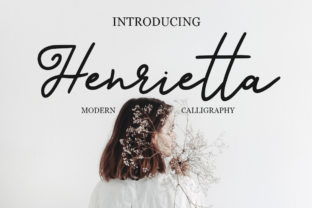
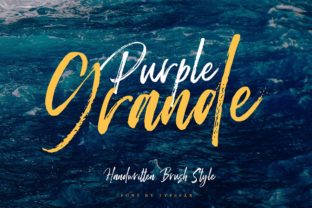
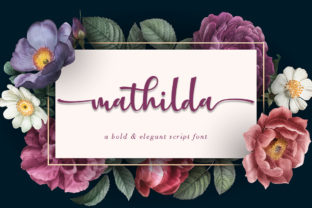
When examining Mathilda, several key characteristics emerge that define its 'handmade calligraphic' label. First is the variation in stroke width. Unlike many uniform scripts, its letters display a natural thick-and-thin contrast, reminiscent of a pen or brush responding to pressure. This creates a rhythmic visual texture.
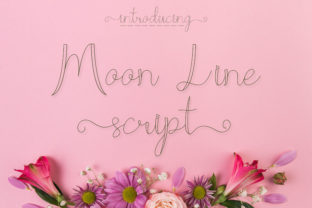
Second is its intentional imperfection. The lines are not mechanically straight; they carry a slight, organic wobble. The curves are fluid but not geometrically perfect. This subtle irregularity is what imparts the handmade feel, avoiding the cold precision of a fully vector-perfect font.
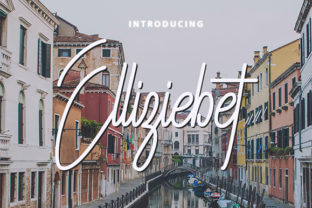
Finally, its connectivity is carefully considered. While it flows like connected handwriting, the ligatures and letter combinations are designed to work smoothly without forced joins, ensuring readability is maintained. This makes Mathilda a connected script that feels natural rather than overwrought.
Practical Applications and Real-World Use Cases
The utility of a font like Mathilda extends far beyond mere decoration. Its real-world relevance is found in its ability to solve specific design problems and evoke particular emotions.
- Branding for Boutique and Creative Businesses: A cafe, a small pottery studio, an independent jewelry label—these entities often seek to communicate craftsmanship and personal attention. Using Mathilda in their logo, packaging, or signage instantly introduces an artisanal, trustworthy quality. It suggests care and human touch, values that resonate deeply with consumers.
- Personal and Event Design: Wedding invitations, birthday announcements, and anniversary cards are territories where personal expression is paramount. Mathilda’s lovely twist adds elegance without stiff formalness. It feels celebratory and personal, elevating the design while keeping it approachable.
- Digital Content with a Human Voice: In website headers for blogs about crafts, parenting, or lifestyle, or in key graphics for social media campaigns aiming for authenticity, this font can help break the corporate mold. It signals that the content comes from a person, not just a brand.
- Educational and Artistic Materials: Teachers creating engaging worksheets or artists displaying their process descriptions might use Mathilda to highlight titles or key quotes. It adds a layer of creative inspiration to the material, making it more visually stimulating for students or viewers.
The Advantages of Choosing a Font Like Mathilda
Selecting a specific script font involves weighing its advantages against the project's needs. Mathilda offers several compelling benefits.
Its primary advantage is emotional resonance. Typography is not just about reading; it's about feeling. This font elicits feelings of warmth, creativity, and care. This emotional layer can be a powerful tool in communication, helping a message connect on a level beyond the literal text.
Another significant benefit is distinction. In markets saturated with similar visual identities, using a unique, well-crafted script can be a point of differentiation. It helps a design project stand out in memory and appeal. While not for every context, its distinctive character ensures it won't blend into the background.
From a practical design workflow standpoint, a font like Mathilda offers versatility within its style. It can be used for a prominent headline or a smaller, decorative element. Its balanced design means it doesn't overwhelm when used sparingly, nor does it lose its charm when featured prominently. This flexibility is crucial for designers who need a single asset to perform multiple roles in a layout.
Key Considerations for Implementation
To leverage its strengths effectively, one must also consider its limitations and requirements. First is contextual appropriateness. Mathilda, with its lovely twist, is inherently informal and artistic. It would be a poor fit for a legal document, a technical manual, or a highly corporate financial report. Understanding the tone of the project is essential.
Second, legibility in extended text is a consideration. While perfectly clear for titles, short quotes, or names, connected scripts are generally not advised for long paragraphs of body text. The goal is to use it for accent and emphasis, not for primary reading content.
Finally, pairing with other fonts is a critical skill. Mathilda’s personality needs a counterbalance. It often pairs beautifully with simple, neutral sans-serif fonts or classic serifs. The contrast allows the script to shine as a focal point while ensuring the overall design remains clean and readable. A designer might use a plain font for body text and let Mathilda take center stage in the headline, creating a harmonious hierarchy.
Observing Trends: The Return of the Human Touch
The rising popularity of fonts with handmade characteristics like Mathilda reflects a broader trend in design. After a long period dominated by ultra-minimalist, often impersonal digital aesthetics, there is a palpable shift towards designs that feel human, imperfect, and emotionally resonant.
This can be seen in logo design, website aesthetics, and packaging. Consumers and audiences, perhaps fatigued by sterile uniformity, are responding positively to touches of artistry and perceived authenticity. A script font is one of the most direct tools to inject this humanity into a project. It serves as a visual metaphor for craftsmanship in an increasingly automated world.
Furthermore, the evolution of font technology allows for this. Older script fonts often suffered from poor rendering on screens or clunky vector paths. Modern typefaces like Mathilda are built with attention to screen readability and smooth scaling, making them practical tools for today’s multi-platform design needs, from high-resolution print to mobile web.
For Creators, Educators, and Business Owners
The audience for such a font is remarkably broad because its application touches so many fields.
- For the Creative Professional (Graphic Designer, Illustrator): Mathilda becomes a valuable asset in their toolkit. It’s a go-to choice when a project brief calls for “warm,” “personal,” or “handcrafted.” It saves time searching for a suitable handwritten style and offers reliable, licensed quality.
- For the Educator or Researcher: When creating presentations, educational posters, or materials to engage learners visually, such a font can increase aesthetic appeal and highlight key concepts in a memorable way.
- For the Hobbyist or DIY Creator: Someone designing their own wedding invites, blog graphics, or small business labels can achieve a professional, artful look without hiring a designer. Accessible, well-made fonts empower individual creators.
- For the Business Owner: Especially in small to medium businesses where brand identity is closely tied to the owner’s personality, a font like this can be instrumental in visual branding. It helps translate a personal business ethos into a visual language.
In essence, Mathilda serves as a bridge. It bridges the gap between cold digital design and warm human expression. It bridges the need for professional-quality typography and the desire for unique artistic flair. For any design project seeking to add a note of personality, charm, and crafted beauty, exploring the possibilities offered by a modern script font with a handmade calligraphic style is a worthwhile consideration. Its true value lies not just in its appearance, but in the emotional and contextual layers it adds to the communication, making messages not only seen but also felt.