The Art of Typography: Understanding and Applying Script Fonts
The world of design is filled with tools that convey mood, identity, and purpose. Among the most expressive of these tools is typography. While many fonts aim for clarity and neutrality, a distinct category exists to evoke emotion, elegance, and artistry: script fonts. These fonts, which mimic handwritten calligraphy, possess a unique power to transform a project from ordinary to memorable. This exploration delves into the characteristics and applications of script typefaces, with particular attention to their role in specific industries and creative endeavors.
What Defines a Script Font?
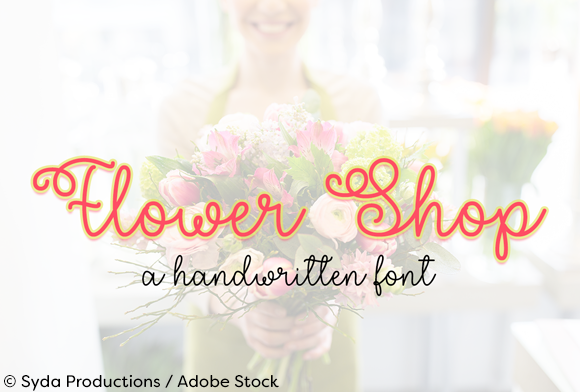
Script fonts are digital representations of handwritten letterforms. They vary widely, from formal, connected scripts that resemble traditional penmanship to more casual, loose styles with broken connections. Key characteristics include flowing strokes, variable line weights (where letters transition from thick to thin), and often, decorative flourishes on certain characters. The fundamental goal of a script font is not purely legibility in dense paragraphs, but rather to create an instant visual impression. They communicate qualities like sophistication, creativity, personal touch, romance, or luxury. When a project utilizes a font such as Flower Shop, these inherent traits are imported directly into the design's voice.
The Primary Users and Their Motivations
Script fonts attract a diverse range of users, each with a distinct set of needs. Business owners in aesthetic-driven industries are primary adopters. A florist, for instance, seeks to visually communicate the natural beauty and delicate artistry of their products. A font named Flower Shop inherently aligns with this sector, offering a typeface that feels organic and crafted. For these professionals, the font becomes part of their brand identity, signaling quality and attention to detail to potential customers.
Creative individuals and designers utilize script fonts as a key element in their toolkit. Whether designing for a client or a personal project, they select scripts to achieve specific emotional responses. A wedding invitation designer might choose a delicate script to evoke romance and formality. A product label creator for handmade cosmetics might use a similar font to suggest purity and craft. The font acts as a shorthand, conveying complex feelings before a word is even read.
Furthermore, hobbyists and event planners engaging in DIY projects find script fonts invaluable. Creating custom signage, party decorations, or personal stationery becomes more accessible with a professionally designed script. It elevates homemade items, providing a polished look without requiring expert calligraphy skills. For educators and researchers in design or marketing, studying script fonts offers insights into how typography influences perception and decision-making in consumer contexts.
Practical Applications in Commercial and Personal Projects
The use cases for delicate script fonts are extensive and cross multiple mediums. In brand identity and logos, a script can form the entire logo or complement other elements. A florist shop logo using a font like Flower Shop immediately establishes its market and tone. The flowing letters can mirror the shape of a stem or petal, creating a subtle, clever harmony between name and nature.
Print and digital stationery is another major application. Wedding invites, as mentioned, are a classic use, but the scope extends to anniversary cards, birthday announcements, and formal correspondence. The font adds a layer of personalization and care, implying that the event or message is special. On product packaging and labels, especially for goods that emphasize beauty, luxury, or handmade qualities, a script font differentiates the product on a crowded shelf. A perfume bottle, a box of artisan chocolates, or a jar of floral-scented soap can leverage the elegance of a script to justify a premium position.
In the digital space, these fonts are used judiciously. Website headers for relevant businesses, special promotional graphics, social media campaign imagery, and email marketing headers for boutique brands can effectively employ a script. It's crucial here to ensure the font renders well on screens and is used in moderation, as extensive script text can hinder online readability.
Key Considerations When Selecting and Implementing a Script Font
Choosing a script font requires more than aesthetic preference; it demands strategic thinking. Legibility versus style is the first balance. A highly ornate, tightly connected script may be beautiful but difficult to read, especially at smaller sizes or for those with visual impairments. Fonts described as "lovely delicate script," like Flower Shop, often strike a deliberate balance, offering elegance while maintaining clear character shapes.
Context and audience expectation are paramount. A script font on a law firm's website would likely seem incongruous, whereas on a boutique bakery's site, it feels appropriate. The font must match the industry's inherent voice. Technical compatibility is a practical hurdle. Not all script fonts are available in web-friendly formats or include the necessary glyphs for diverse languages. Ensuring the font works across print and digital outputs is a step professionals cannot overlook.
Implementation best practices involve using the font as an accent. Scripts are typically best for headlines, logos, short phrases, or emphasized words. Pairing them with a simple, highly legible sans-serif or serif font for body text creates a harmonious and functional design. This contrast allows the script to shine without compromising the usability of the overall content. Additionally, paying attention to spacing is critical. Script fonts often require manual adjustment of letter spacing (kerning) to ensure the connected letters flow naturally and don't appear too cramped or too loose in a specific layout.
The Advantages Beyond Mere Decoration
The benefits of integrating a well-chosen script font are tangible. Instant emotional connection is the foremost advantage. Before analyzing price or details, a customer forms a feeling about a brand or product based on visual cues. A delicate script can evoke warmth, trust, and premium quality. Brand differentiation in crowded markets is another significant benefit. In sectors like floristry or wedding planning, many businesses offer similar services. A distinct, elegant typographic identity can be a silent but powerful differentiator.
For the creator, efficiency and professionalism are key. Access to a digital script font allows a small business owner or designer to produce materials that look custom-crafted without the time and cost of hiring a calligrapher for every project. It scales branding consistently across invitations, labels, signage, and websites. Finally, there is a narrative quality. Script fonts tell a story. They suggest history, personal attention, and artistry. This narrative can be a compelling part of a brand's overall storytelling and marketing strategy.
Observing Trends and Evolution in Script Typography
The design of script fonts evolves alongside cultural and technological trends. Currently, there is a noticeable appreciation for fonts that blend classic calligraphy elegance with a touch of modern simplicity. This avoids feeling overly archaic or theatrical. Fonts that are "delicate" rather than overly bold fit contemporary minimalist aesthetics while still providing a focal point. The trend towards authenticity and craftsmanship in consumer goods directly fuels the use of scripts that feel human-made, even when they are digitally reproduced.
Another observation is the increasing quality and variety of script fonts available to non-professionals. Marketplaces offer numerous options, catering to very specific niches. This democratization means a hobbyist creating wedding invites can access a font with the same sophistication a major brand might use, leveling the visual playing field. However, this also places greater responsibility on the user to select appropriately and pair wisely, as abundance can lead to poor choices that undermine the intended effect.
In conclusion, the thoughtful application of a delicate script font, such as one suited for a flower shop, is a nuanced design decision. It moves beyond simple decoration to become a functional element of communication, brand psychology, and user experience. Whether for commercial identity, personal projects, or creative exploration, understanding its characteristics, ideal uses, and implementation guidelines ensures this powerful tool achieves its purpose: adding not just a touch of flair, but a layer of meaning and connection to any project it graces.